
Tungsten or LED for a small news studio: which to choose
Priya Nair
7 min read
A comparison of tungsten and LED lighting for a small news and interview studio, looking at colour, heat, rigging and running cost, with a clear recommendation for most rooms.
The choice in front of most small studios
When a studio asks us about lighting in these darker autumn weeks, the question is nearly always the same: do we keep our tungsten lamps, or move to LED? Both options can give a presenter a flattering, even picture, and both have run in broadcast rooms for years. The difference lies in how they behave day to day, which is what this article compares.
I am writing from the point of view of a small room: a news desk, an interview corner, perhaps a short run of live shows each week. Large stages with hundreds of fixtures follow other rules. For a modest studio the decision comes down to four practical things: the quality of the light on skin, the heat and power each lamp draws, how easily it is rigged and programmed, and what it costs over several years rather than on the day of purchase.
I will give a recommendation at the end, but it depends on your room, so the sections below set out what to check before you decide. None of this needs specialist kit: a tape measure, a look at your ceiling and a note of how long your programmes run is enough to start with.
Tungsten: what it still does well
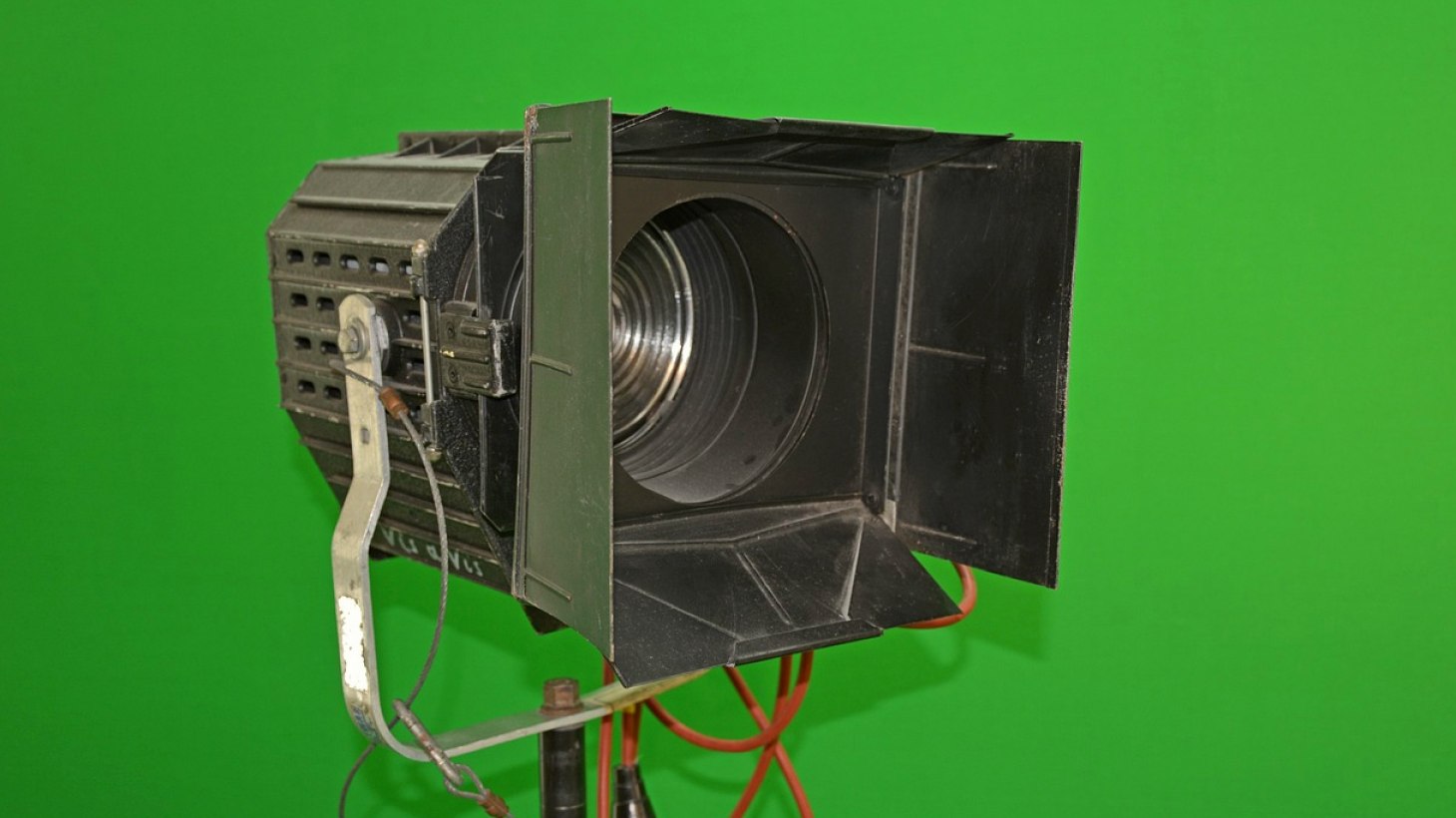
Tungsten lamps give a smooth, continuous spectrum, and presenters tend to look natural under them with little effort. Skin tones are forgiving, and if you already own a set of fresnels with barn doors, you have a rig that engineers and camera crews understand without explanation. Replacement lamps are cheap and easy to find, and a fixture that fails can be swapped in a minute.
The costs show up elsewhere. Each lamp turns most of its power into heat, so a studio with six or eight fixtures can warm up noticeably during a long programme, and presenters feel it. Air conditioning has to work harder, which adds to the bill. Dimming a tungsten lamp also shifts its colour towards orange, so a camera white-balanced at full output will drift as you bring a lamp down.
Weight and ceiling load matter too. Older fixtures are heavy, and a grid built for light units may not carry a dozen of them safely. We check the rigging before anything else, because a lamp that cannot be hung where the plot needs it is no use at any price.
- Smooth colour and easy skin tones
- Cheap replacement lamps and familiar handling
- High heat output and power draw
- Colour shifts when dimmed
LED: where it earns its place
Modern LED fixtures run cool and draw a fraction of the power, which changes the feel of a small studio. Presenters stay comfortable through a long bulletin, and the room does not need to fight its own lamps. Colour temperature can be set at the fixture, so you can match daylight from a window or warm the set without changing a single filter.
Dimming is clean: a fixture can be brought down to a low level without the colour wandering, which suits programmes where the plot changes between segments. With DMX control you can store looks and recall them in seconds, so a news opening, a two-way interview and a closing wide can each sit on a dimmer scene instead of being rebuilt by hand.
The weak points are quality and cost on the day. Cheap panels can show a green or magenta bias that the camera exaggerates, and some flicker on fast shutter speeds. We test a fixture on the studio's own cameras before recommending it, because a lamp that looks fine to the eye can misbehave on a sensor.
- Low heat and power use
- Adjustable colour temperature
- Stable colour when dimmed
- Quality varies widely between fixtures
Rigging, control and the cost over time
Rigging is where the comparison becomes concrete. LED fixtures are lighter, so a modest grid can carry a fuller key, fill and backlight arrangement without strain. Cabling is simpler too, with fewer heavy dimmer racks, though you do need a clean DMX run and someone who can programme it. Tungsten needs dimmer capacity sized for the total load, which is a real item in the budget.
Over a few years the sums usually favour LED. Lower power use, less cooling and no regular lamp changes offset a higher purchase price, particularly in a studio that is lit for many hours each week. If the room is used only occasionally, the saving shrinks, and a good tungsten set that is already paid for can remain sensible.
We work this out from your own hours and your own ceiling rather than from averages. A written plot, with positions, heights and dimmer assignments, shows what each option would need, and the difference in total outlay becomes easy to see before anything is bought.
Our recommendation for most small studios
For a studio that broadcasts regularly, our recommendation is LED, specified carefully and tested on your cameras. The cooler room, stable colour under dimming and the ability to recall stored scenes give a news or interview programme a steadier picture and a calmer presenter. Choose fixtures with a good colour rendering rating and avoid the cheapest panels, where the savings tend to disappear into corrections.
Keep tungsten if your lamps are in good order, your hours are low and the room is cool enough that heat is no concern. There is no merit in replacing a working rig for its own sake, and a hybrid is perfectly sound: LED for the key and fill where comfort matters, existing fresnels for backlight and set accents.
Whichever you choose, set the plot first and buy second. The position of each light, its height and angle to the presenter decide the result far more than the technology inside the lamp.
- Regular broadcasts: LED, tested on your cameras
- Occasional use with working lamps: keep tungsten
- Mixed rigs are perfectly workable
What to check before you decide
Start with the ceiling. Find out what your grid or bars can safely carry, and whether you can reach the fixtures for adjustment. Measure the distance from the presenter's seat to the intended key position, since a lamp that is too close or too high produces harsh shadows under the eyes and nose, whatever its type.
Then note your cameras and their settings. Shutter speed and white balance behaviour decide whether a given LED fixture flickers or drifts, and a short test in your own room settles it better than any specification sheet. Ask to see candidate fixtures lit on the actual set, with a presenter sitting in the chair.
Finally, think about who will operate the rig. If your team is comfortable with a simple dimmer board, tungsten stays easy to run. If you want stored scenes, someone needs to be shown how DMX works, and we include that handover in a lighting setup so the plot survives after we have left.
Tungsten and LED can both light a presenter well, so the real choice is about heat, running cost, control and how many hours the studio works each week. For regular small-studio broadcasting, LED is usually the better fit once it has been tested on your cameras. For a lightly used room with sound lamps, there is no need to change. Plan the plot before buying anything, and the equipment follows from it.