
Lighting Design Checklist: What to Settle Before You Commit
Priya Nair
6 min read
A working checklist for anyone about to commission lighting for a studio or stage: room, people, rigging, power and programming, so the brief is clear before anything is hung.
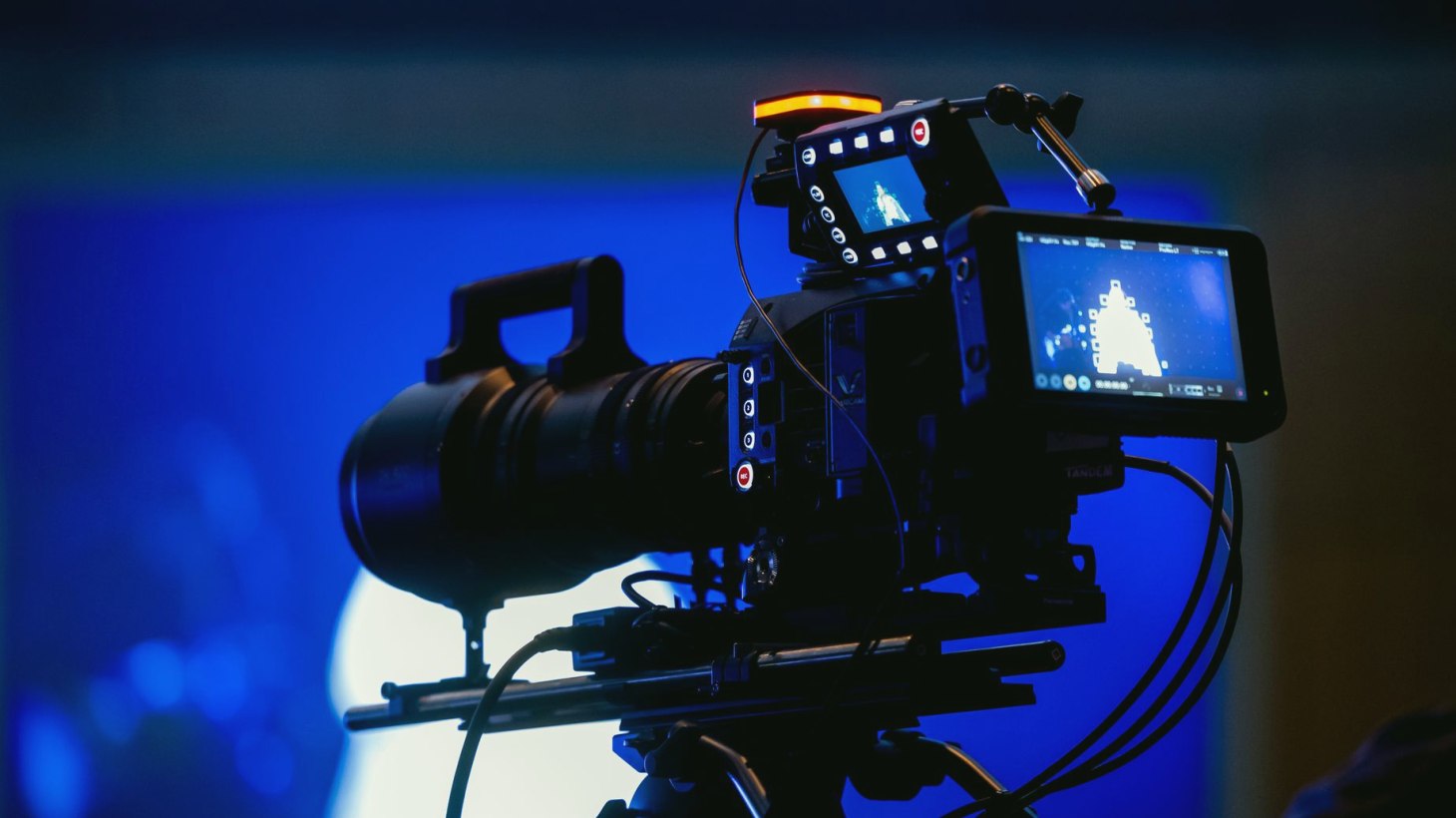
Start with what the camera will actually see
Before anyone talks about fixtures, write down what the lighting has to do. A news desk with one presenter needs something quite different from a three-seat interview set or a standing panel with a screen behind. List the shots you expect: wide, two-shot, close-up, and any walking moves. Lighting that looks fine to the eye can fall apart on a tight close-up, so the shot list comes first.
Note the skin tones in front of the lens as well. A mixed panel will not all sit comfortably under one setting, and a good design leaves enough room for small adjustments per person. Ask whoever directs the programme which shots matter most, because those are the ones the design should protect.
Finally, record how long the set stays in place. A permanent studio can carry fixed positions and a tidy grid. A set that is built and struck for each recording needs a plot that can be repeated quickly and by someone who was not there the first time.
- Shot list with the tightest framing marked
- Number of presenters and guests, and where they sit
- Whether the set is permanent or rebuilt each time
- Any standing or moving positions
Check the room before you check the kit
The room limits the design more than the equipment does. Measure the ceiling height, because a low ceiling forces steep angles that cast shadows under the eyes and leave little space for a backlight. Look at the walls and floor too: a bright white wall bounces fill where you may not want it, and a glossy floor throws reflections into the lens.
Windows are the next question. Daylight changes through the afternoon and in these autumn weeks it shifts quickly, so a studio with uncovered glass will drift in colour and level during a long recording. Decide early whether to blackout the windows or to design around them.
Walk the space with the camera positions marked on the floor. It is far cheaper to find a blocked sightline or a low beam on paper than after the rig is up and the cabling is run.
- Ceiling height and any beams or ducts
- Window position and whether it can be blacked out
- Wall and floor finish, and reflections
- Camera positions marked before any fixture is placed
Key, fill and backlight: agree the look in plain words
Most presenter lighting is built from three roles. The key is the main light that shapes the face, the fill softens the shadow the key leaves, and the backlight separates the person from the set behind them. Ask your designer to explain how each is being used in your room, and agree on the mood in ordinary language: bright and open, or more serious and contrasted.
Be wary of designs that rely on one very strong source. They look dramatic in a test but give no margin when a guest leans forward or a presenter stands. A modest, even key with a controlled fill is usually kinder to people and easier to match from shot to shot.
Ask what happens with glasses, shiny foreheads and dark clothing. These are everyday problems, and a designer who has dealt with them will have a straightforward answer rather than a general reassurance.
- Role of key, fill and backlight in your room
- Intended mood, agreed in plain words
- How glasses and shine are handled
Rigging, power and safety come before the design
A lighting plot is only useful if the building can hold it. Find out what the ceiling or grid is rated to carry, how fixtures will be hung and secured, and who is allowed to work at height on the premises. In a hired venue, ask what the management permits before you commit to a rig that needs fixing points they will not allow.
Power is the other limit. Add up the load of the fixtures you intend to use and compare it with the circuits you really have, not the ones you hope to have. Dimmers and cables heat up, and an overloaded supply will fail at the worst moment of a live show.
Plan the cable routes too. Trailing cables across a studio floor are a trip hazard and a source of camera bumps, so route them along edges or cover them properly.
- Load rating of the grid or ceiling
- Who may work at height, and what is permitted
- Total power draw against available circuits
- Cable routes kept clear of walkways
Dimmer programming and how the system will be run
Decide who will operate the lighting during a programme and how. A simple set may need only a few saved looks that anyone can recall, while a live show with changing scenes needs a programmed sequence and a trained operator. Programming is quick to ask for and slow to fix later, so write down the looks you want: rehearsal, bulletin, interview, wide, and break.
Ask for the settings to be saved and documented. If the programmer has the only copy in their head, you have bought a dependency rather than a system. A short sheet listing each look and what it does lets a new operator take over without a call.
Check, too, how the lights behave on camera at low levels. Some dimmed fixtures flicker or shift colour, and you want to know that before the first broadcast rather than during it.
- Looks written down before programming starts
- Settings saved and documented
- Flicker and colour shift tested at low levels
Questions to put to whoever you are considering
Once the points above are clear, put them to the person doing the work. Ask for a written plot showing fixture positions, a power estimate and a description of each lighting look. Ask who will be on site during setup and during the first recording, and what is covered if something needs adjusting afterwards.
Ask what they need from you: access times, floor plans, a shot list, a contact at the venue. A designer who asks good questions of you is usually one who will deliver without surprises.
Lastly, be clear about what is outside the job. If the rig is hired for a day, who removes it, who is liable for damage, and what happens if the schedule moves? Answers to these belong in the written quotation, not in conversation alone.
- Written plot, power estimate and list of looks
- Who is on site during setup and first recording
- What you need to provide
- Strike, damage and schedule changes in writing
A lighting job goes well when the questions are answered before the first fixture is hung: what the camera sees, what the room allows, what the building can carry, and who will run it afterwards. Work through this list with your designer and keep the answers on paper. If it helps, send us your room details through the contact page and we will talk through what a plot for it would involve.