
What Studio Acoustic Treatment Costs and What Moves the Price
Tom Gregory
5 min read
A plain account of how room assessment, acoustic panels and microphone placement are priced, and which features of a room and a brief push the figure up or down.
Why acoustic work is quoted room by room
People often ask for a single figure per square metre, and I understand why. Unfortunately a room that sounds poor can be poor for very different reasons, and the remedies differ in cost by a wide margin. A bare brick studio with a hard floor needs absorption across a broad frequency range. A carpeted office converted for interviews may only need two or three panels and a sensible chair position.
For that reason every piece of work we do under Acoustic Treatment and Sound begins with a room assessment, and the written quotation follows from what we find. The assessment looks at the size and shape of the space, the surfaces, the noise coming in from outside, and what the room will be asked to do. A news desk with one presenter is a far smaller problem than a panel show with six guests and a live audience.
The assessment itself and what it includes
The assessment is the first line on any quote, and it is priced as a visit rather than folded into the treatment. I come to the site, walk the room, clap and speak in it, and listen for flutter echo, boom and the hiss of ventilation. I also measure how long sound lingers, so that the recommendation rests on numbers and not only on my ears.
You receive a short written report afterwards, setting out what is wrong, what could be done and in what order. Some clients take the report and carry out the work themselves or with their own contractor, which is entirely reasonable. Others ask us to supply and fit the panels. Because the report stands on its own, nobody is obliged to buy the treatment from us in order to benefit from the assessment.
- Site visit and listening tests in the room
- Reverberation measurements at several positions
- Written report with a ranked list of fixes
What pushes the price up
Room volume is the obvious driver, because a larger space needs more absorbent area to reach the same result. The less obvious ones are the surfaces and the ceiling height. Tall rooms with glass walls cost more to tame than low, soft ones, and ceiling-mounted treatment needs safe access and fixings that suit the building.
Noise from outside is another factor that surprises people. Panels improve how a room sounds inside, but they do little to keep out traffic, a neighbouring workshop or a loud heating system. If isolation is needed as well, the scope grows, and I will say so plainly in the quote instead of promising what absorption cannot deliver. Finishes matter too: bespoke fabric colours and branded panels cost more than standard ones.
- Larger or taller rooms and hard, reflective surfaces
- Outside noise that needs isolation, not only absorption
- Custom finishes, fabrics and mounting methods
What keeps the price down
Much of the saving comes from deciding sensibly where to treat. In most studios the biggest gains come from the first reflection points beside and above the presenters, and from the corners where low frequencies gather. Covering every wall evenly is expensive and often makes the room sound dead rather than clear.
Standard panels in a modest range of colours, fitted to walls that are ready to receive them, are the cheapest route. So is access: an empty room, a clear day for fitting and a named person on site to answer questions all shorten the job. Where a venue can switch off noisy equipment during the visit, the assessment is quicker and the findings more reliable, and that saves time we would otherwise have to bill.
Microphone placement and mixing
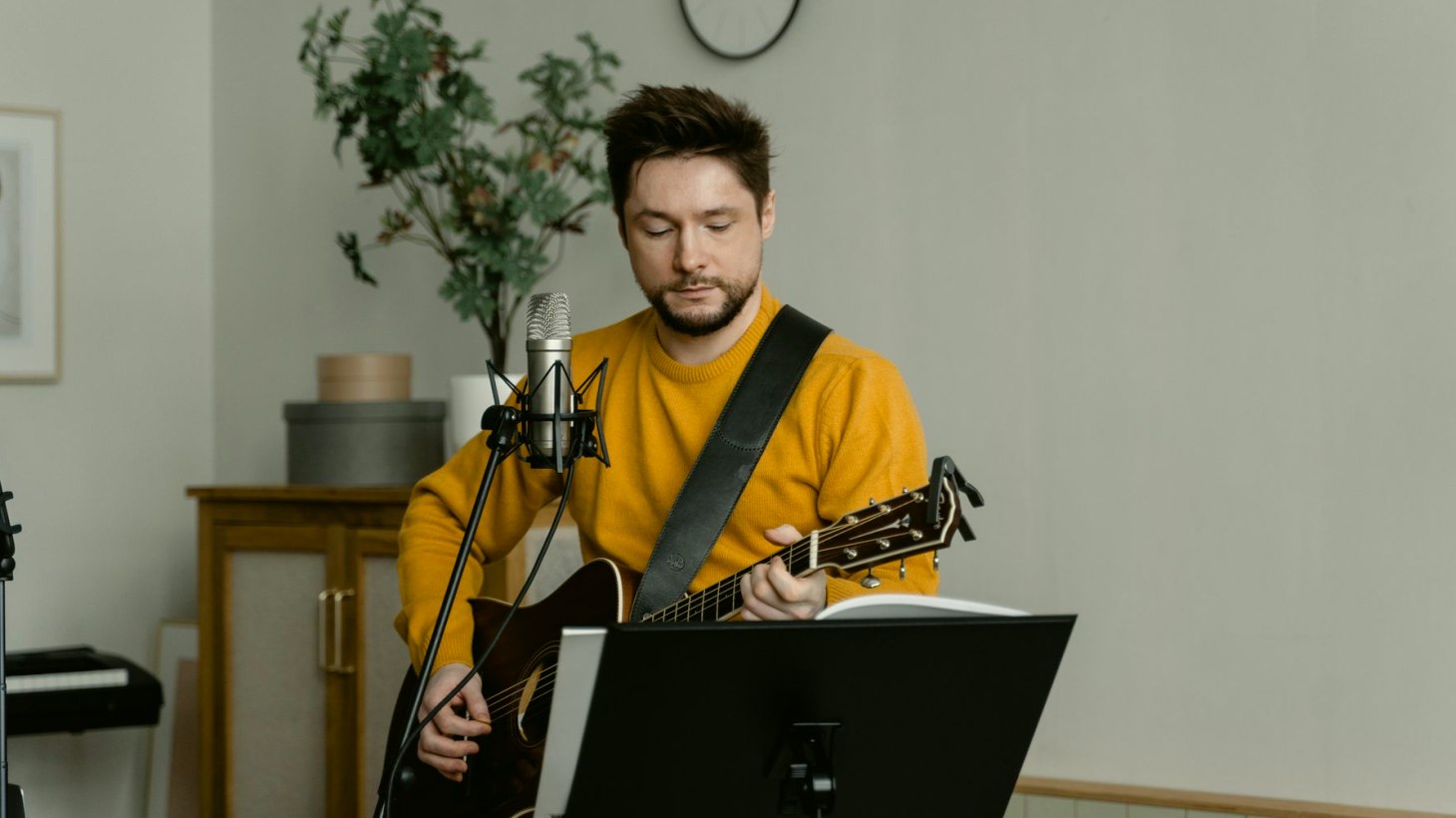
Treatment is only half of clean audio. Where a microphone sits, how close it is to the speaker and which way it points can matter as much as the panels behind it. We offer microphone placement as part of the sound work, and it is often the least costly improvement available, sometimes needing nothing more than an hour and a stand.
For live programmes we can also mix sound on the day. That is priced by the length of the production and the number of sources, not by the room, so it appears as a separate line on the quotation. Keeping it separate means you can see what the room costs, what the people cost, and decide which of the two your programme actually needs.
How to get a figure you can rely on
Send an enquiry through the contact page with the size of the room, what it is used for, how many people speak at once and any complaint you already have, such as echo on playback. A few phone photographs of the walls and ceiling help a great deal. From that we can say whether an assessment is worth booking or whether a smaller fix will do.
A written quotation follows the assessment, and an invoice follows your confirmation, payable by bank transfer. Cancellations and refunds are covered by the payment and refund policy. The Prices page sets out typical starting figures for acoustic work, and the quotation will explain every line that departs from them, so there is nothing hidden in the total.
- Room size, use and number of speakers
- Photographs of walls, floor and ceiling
- Any existing problem you can describe
The cost of acoustic treatment depends on the room, the noise around it and how much clarity the programme needs, not on a fixed rate. An honest assessment separates what is worth doing from what is not, and often shows that a handful of well-placed panels and a better microphone position will do more than a full fit-out. Ask for the assessment first, read the report, and decide from there.