
Six Lighting Mistakes in Live Television and How to Avoid Them
Tom Gregory
6 min read
Most lighting problems on a live show are made days before the broadcast. Tom Gregory goes through six common mistakes in key, fill and backlight setups, and what to do about each.
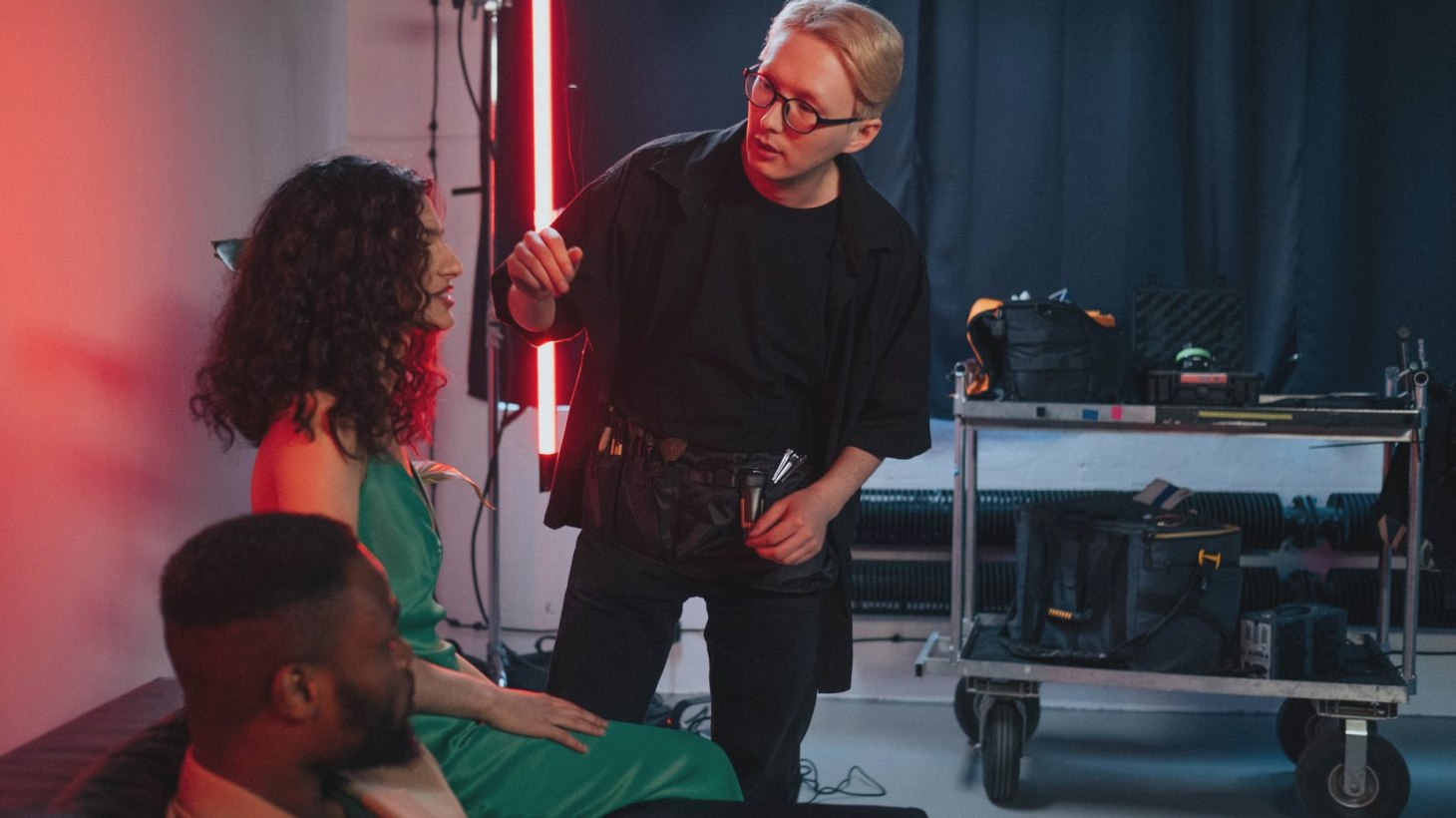
1. Lighting the set before the person
The most common error is to light the set first because it is the part everyone has been looking at for weeks. The desk, the graphic wall and the backdrop get beautifully even coverage, and the presenter is then fitted in with whatever is left over. On camera the face ends up flat, or half in shadow, and the set looks better than the people sitting in front of it.
The fix is to start with the key light on the presenter. Decide where each person will sit or stand, which camera sees them and from which angle, then place the key so it falls on the face from slightly above and to one side of the lens. Only after that do you add fill and backlight, and finally the set. If a presenter moves, light the places they will actually stop, not the whole floor.
- Light the presenter first, the set second
- Place the key slightly above and off the lens axis
- Mark the positions people really use
2. Mixing colour temperatures without noticing
Studios and venues rarely have a single type of light. A window lets in daylight, practical lamps on the set are warm, and the fixtures on the rig may be a third colour. The eye adjusts without effort; the camera does not. The result is skin tones that drift between orange and blue as a presenter turns their head, and a vision mixer who spends the programme correcting it.
Walk the room with the cameras live before anything is signed off. Pick one colour temperature for the main lighting, then bring everything else into line using gels or adjustable fixtures, or remove the offender. Cover or block windows where a live show runs across a long afternoon, because the daylight changes while the studio lights do not. White balance every camera on the same card under the final lighting, not under work lights.
- Choose one colour temperature and match the rest to it
- Block or gel windows for long live shows
- White balance under the final lighting
3. Flat, frontal light with no backlight
A single bright source from near the camera is easy to rig and quick to check, and it removes every shadow that gives a face its shape. Presenters merge into the backdrop, particularly where the set is dark or the clothing is a similar tone. On a small screen the picture looks like a security feed rather than a programme.
A modest backlight, placed behind and above the presenter and aimed at the shoulders and hair, separates the person from the background and gives the picture depth. Keep it gentle: a strong backlight on a presenter with pale hair or a bald head produces a glare around the edges. Fill light then softens the shadow side of the face without erasing it. Key, fill and back each have a job, and the ratio between them matters more than the number of fixtures.
- Add a gentle backlight behind and above
- Keep the fill softer than the key
- Check pale hair and bald heads for glare
4. Forgetting what the rig does to the room
Lighting is also a physical installation, and it is often planned as if it were not. Fixtures are hung without checking the load rating of the grid or the ceiling, cables cross walkways, and a stand sits exactly where a camera needs to track. Hot lamps in a small studio raise the temperature noticeably over a long programme, which affects presenters and, quite often, equipment.
Agree the rigging plan with whoever looks after the building before the day, including weights, safety bonds and the route of every cable. Allow time for the rig to be checked by someone other than the person who built it. Keep fixtures out of the camera's moving paths, and where the room is small, choose cooler running fixtures. A tidy rig is usually a safer and faster one to adjust under pressure.
- Confirm load ratings and safety bonds
- Route cables away from walkways and camera moves
- Consider heat in small rooms
5. Programming the dimmers on the day
Leaving the dimmer programming until the last hour is a gamble that rarely pays. Levels are set by eye while the crew is also trying to rehearse, and the first sign of a problem arrives when the show is already running. Presets then get overwritten, nobody is quite sure which one was approved, and a change made for one segment quietly ruins the next.
Build and save the looks in advance: one for the opening, one for interviews, one for any musical or stage segment, and a safe general look to fall back on. Name them clearly and write them into the run sheet next to the cue they belong to. Test each one on camera, with a person standing in it, rather than judging from an empty set. If the desk operator changes, the written list lets them take over without guessing.
- Save named looks per segment
- Tie each look to a cue on the run sheet
- Test with a person on camera
6. Not watching the picture as the cameras see it
Lighting looks right to people in the room and wrong on the monitor surprisingly often. A set that feels bright to the eye can sit too dark on screen, and a reflective desk or a shiny graphic panel may bounce a fixture straight into a lens. Glasses are a regular offender, throwing a hard highlight across an eye just as a guest begins to speak.
Judge every adjustment from the gallery monitors, ideally with the person who will direct the programme looking beside you. Ask presenters to move, turn and look down at their notes, and watch what happens. Check how guests with glasses, dark skin or light clothing read, since one setting seldom suits everyone. Adjust angles, add a flag or a diffuser, and recheck. Ten minutes of this is worth more than any amount of preparation on paper.
- Judge from the monitors, not the room
- Test glasses, desks and glossy surfaces
- Ask people to move as they will on air
None of these mistakes needs expensive equipment to fix. They come from doing the work in the wrong order, trusting the eye in the room, or leaving decisions until the day. Light the person first, keep colours consistent, give the picture depth, plan the rig safely, save the looks beforehand and watch the monitors. With the autumn evenings drawing in, studios work under artificial light for longer, and a careful setup repays itself every time you go on air.